Hairline and density: planning a hair system that fits your style
Connect your preferred hairline, hair density, and existing hair before choosing a hair system configuration.
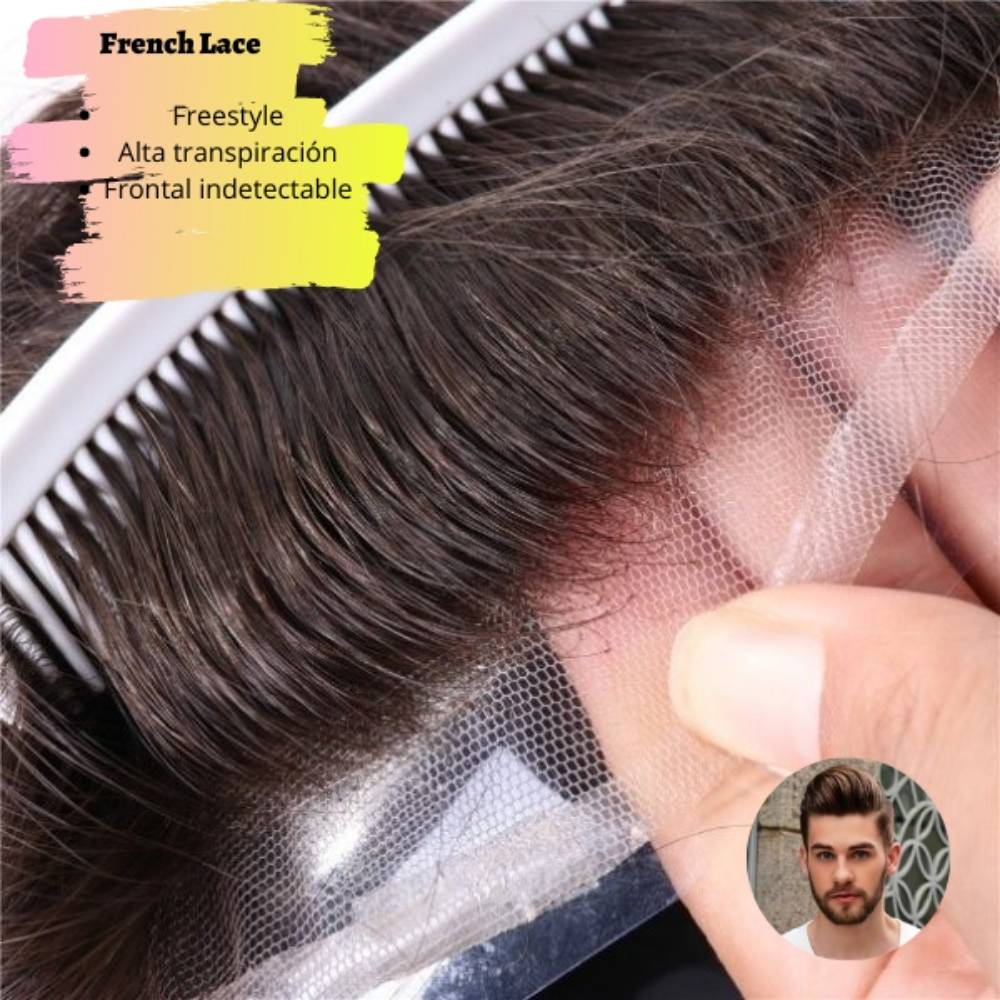
Start with the hairstyle you actually want to wear
A natural-looking hairline starts with a clear hairstyle goal. Do you want to brush your hair back, wear a fringe, or keep a loose side part? Each choice exposes a different amount of the front. Bring a reference photo, but explain what you like about it: the shape, height, texture, or amount of volume.
Compare that goal with your everyday habits. If you usually bring your hair forward, a tightly swept-back reference may describe an occasional look rather than your normal routine. Show both your current hair and your preferred style. This gives the person advising you a more useful starting point than a request to copy someone else's entire appearance.
Discuss hairline placement before trimming
The position of the front should be considered alongside your facial proportions and the hair you retain at the temples. Placing it as low as possible is not a general rule for a better result. Ask how the proposed position will be shown and confirmed before dimensions are finalized or a base is cut to shape.
For a remote consultation, take a straight-on photo with your head level and a side view showing the temples. Use consistent lighting. If you mark a possible position, keep that position consistent across the images. When you change your mind, identify the updated version clearly so older photos do not become conflicting instructions for the same order.
Read density as one part of the result
Density describes the amount of hair in a particular configuration, but it does not explain all the volume you will see. Hair length, strand thickness, wave, and styling direction also matter. Compare the details of the specific models in the hair system shop instead of treating a percentage as a complete visual description.
Pay particular attention to the transition into your own hair. A very full top can make fine sides appear more noticeable. Explain whether you want modest coverage or a stronger impression of volume. Discuss that preference with the stylist who will blend the piece, since the planned cut and the ordered density need to work together.
Separate overall density from a graduated front
A graduated hairline concerns how the hair begins at the front; overall density concerns the amount of hair in the configuration. Asking for less hair everywhere does not automatically specify a gradual front. Check which options are offered for the chosen model and ask for the exact wording that will appear in the confirmed specification.
The base also contributes to the finished appearance, but its name does not settle every question. French Lace, Swiss Lace, and skin describe different constructions that still need to suit the intended fit and style. Read the guide to bases and measurements, then discuss the complete combination rather than choosing from a material label alone.
Prepare the cut and keep useful notes
The hairpiece's supplied length is not the finished haircut. Ask how much length should remain for blending and how the transition into the sides will be approached. Avoid removing substantial amounts yourself before that discussion. A haircut can organize volume and movement, but it cannot substitute for choosing an appropriate base and configuration in the first place.
After fitting and a few ordinary styling sessions, record specific observations in your account. Note what works and what you would change, such as less volume through the center. My Special Hair is based in Badajoz, Spain. U.S. shipping requires an inquiry; confirm the available arrangements and organize any local fitting support before making plans around a new piece.