Matching hair system color and gray: a practical preparation guide
Use current hair references, useful photos, and confirmed gray percentages to prepare a clearer color consultation.
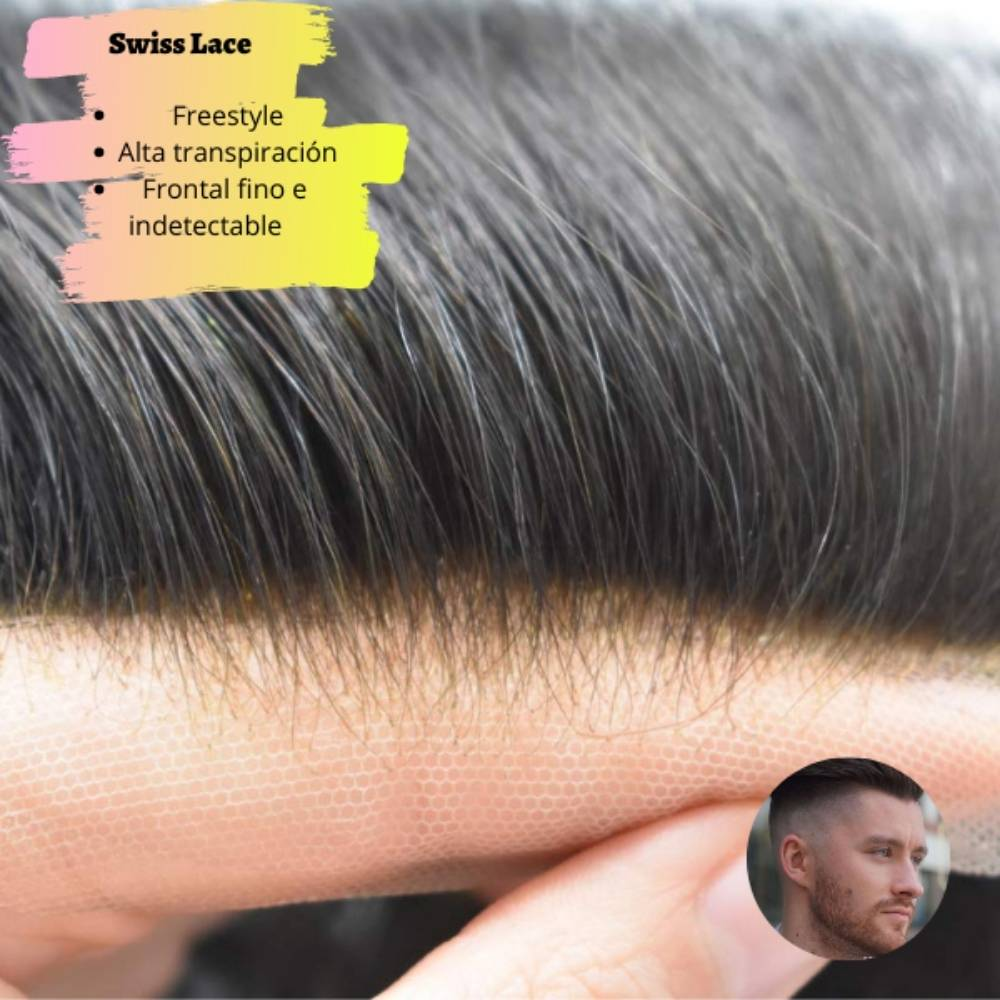
Use the hair that will remain visible
The starting point for a color match is your current hair, especially at the sides and back where it will meet the hairpiece. An older photo may show a color you no longer have. Look at the areas that will stay visible and describe their differences, including lighter strands, gray hair, and any existing color treatment.
Check your hair when it is dry and free of temporary color products. If you regularly dye it, explain when you last did so and whether you plan to maintain that shade. Fresh roots and colored lengths can look different. The team needs to know which part represents your intended result rather than making that decision from a photo.
Take photos that support the conversation
Photograph both sides and the back in soft daylight, such as near a window. Avoid direct sun, flash, filters, and intentional color correction. Keep the original images. If a picture looks warmer, cooler, or lighter than your hair in person, say so. A photo can communicate the situation without being treated as an exact color standard.
Product photos in the shop help you compare broad color families, but screens are not physical swatches. Lighting, camera processing, and display settings can all shift the appearance. Ask how the final shade can be confirmed for the model you are considering, particularly when choosing between nearby browns or deciding how much gray to include.
Ask about a physical hair sample
If a physical sample is appropriate, get instructions before cutting or sending a lock of hair. Ask how much is needed, how to package it, and what identifying information to include. Mention the area it came from. Hair at the temples may contain a different mix of color and gray than hair at the back of your head.
A sample also needs context if you color your hair. Explain whether it represents the color you currently wear or a shade you intend to change. A planned color is not the same as an existing reference. Save the sample date and the agreed color code so you can judge whether that reference remains useful for a future request.
Consider the gray percentage separately
Your age does not determine your gray percentage. Gray can be concentrated in particular areas, so look at the transitions that will be visible next to the system. Describe whether you want to preserve that appearance or make a deliberate change. A numbered product option does not automatically reproduce the exact distribution of gray in your own hair.
Check which percentages are available for the specific model and ask how the gray is distributed. If two options seem close, explain what you are seeing instead of inventing an intermediate specification. The contrast with the main color, the direction of the part, and the lighting can make the same proportion appear more or less noticeable.
Review color alongside the full configuration
Color and volume affect each other's appearance. A dense style may look different from a lighter arrangement even when the stated shade is the same. Review the hairline and density guide when preparing your preferences. The aim is a coherent selection, with each option understood before the team confirms the specification.
On receipt, inspect the hairpiece under ordinary lighting before having it altered. Keep labels and order references. If the color raises a question, contact the team with comparable photos and a specific description before attempting a correction. Record the confirmed shade, gray percentage, and date in your account, then review those details whenever your own hair or coloring routine changes.